
Red Light At Dawn
Cooking in the Time of War: Food Rationing

Nothing seasons food better than hunger.
~My adaptation of Cicero’s and Cervantes’ quotes.
You thought things were expensive now? Just wait. If the Strait of Hormuz closes for any length of time, we will all finally realize that everything is linked to how much we rely on a secure and safe global infrastructure. No oil means higher transport costs, which lead to higher food prices. There’s a lot more to it than that, but that’s a simplified version of what we’ll be experiencing.
What we have to do is approach our food spending differently. The days of instant gratification, grabbing a bag of chips, or ordering delivered Thai food probably need to be paused for a while. Hopefully, not indefinitely, but at least for the foreseeable future. Sorry, restaurants. It’s going to get really tough in the days ahead, and everyone needs to hunker down.
Hunger is a weapon of war.
Because this is going to be an interesting time for all of us, I knew we needed guidance from our elders. The UK’s approach to food control during World War II is inspirational. Whether you know this or not, the UK government started planning on food rationing and restrictions back in 1936. They knew that, as an island where most of the food is imported, any blockades would halt all food deliveries. No food delivery meant empty shelves and eventual starvation. A starving people become despondent and crater faster to authoritarian regimes. The British knew that hunger was a lethal weapon of war, so they planned accordingly and prepared to combat it. (1)
The UK Wartime Rationing Program (1940 - 1954) took a lot of planning. Two intrepid scientists (Widdowson and McCance) developed the program to see if it would sustain a person. To test its success they became their own guinea pigs. For three months, they followed their ration diet to the letter while hiking, biking, and spending their time outdoors in rigorous exercise, trying to simulate a labor-intensive lifestyle. The ration diet appeared to work, with the exception that they felt there was a lack of Vitamin C (2) and feared people may end up not consuming enough calcium. To solve the calcium issue, the government mandated that bread flour be fortified with calcium. Fruit was harder to come by in Great Britain, and unless you scavenged for blackberries or had an apple tree in the backyard, other fruit —especially oranges—was almost completely unavailable. The government’s true goal was to feed everyone in their country and to keep them as healthy and active as possible despite any German strangulating blockade. This goal and the system that doled out food equally to rich and poor helped the UK survive WW2.
Vegetable-heavy, with limited sugar, fat, dairy, and protein, the UK Wartime Rationing Diet is considered one of the healthiest diets to follow. (3) Certainly, studies showed that UK citizens were at their healthiest during that time, albeit with some nutritional challenges.
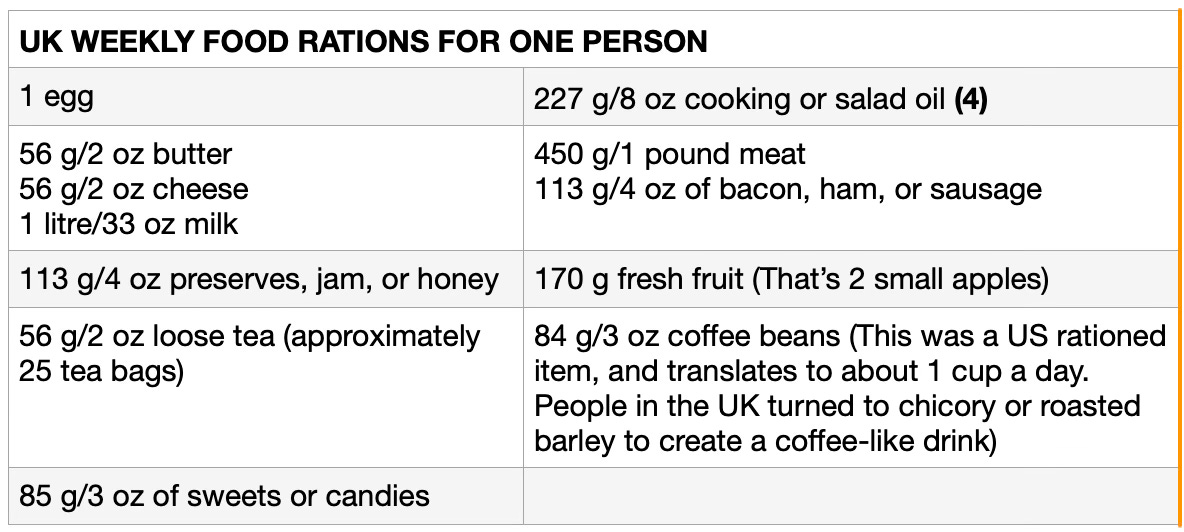
The premise was simple. Every person was allotted a certain amount of rations a week (eggs, dairy, meat, sugar), which were bulked out with items on a monthly point system (grains, beans, legumes, some tinned foods) and a selection of vegetables and bread that hopefully remained stable and always available.
Below are three tables I drew up as examples of one person’s allotted weekly rations, monthly points, and unrestricted items. These are not comprehensive, but should give you an idea of what a person’s weekly food allotment was.
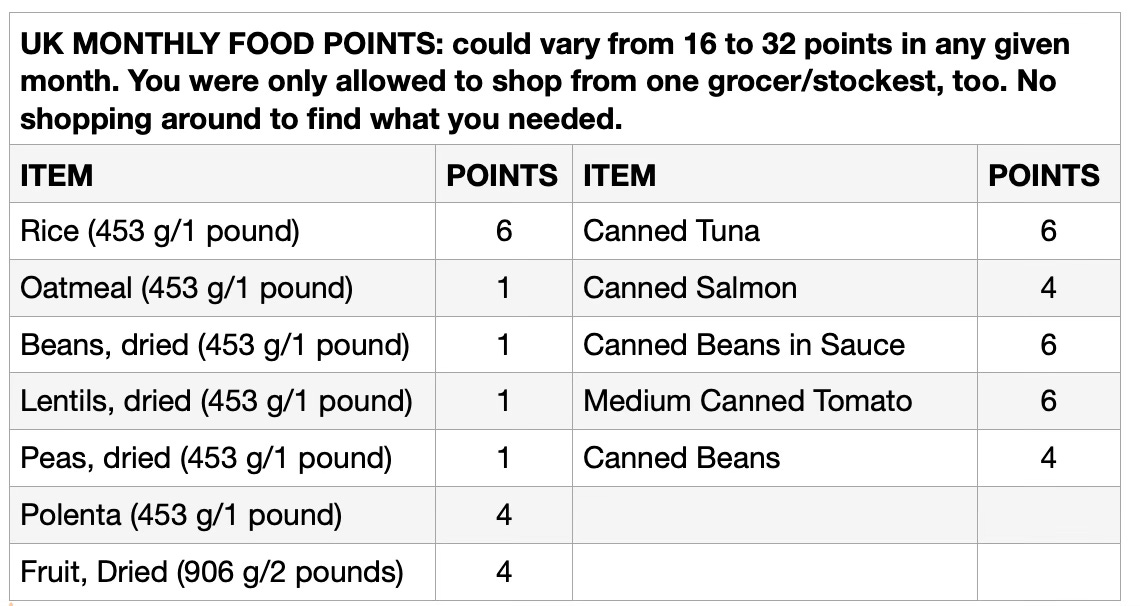
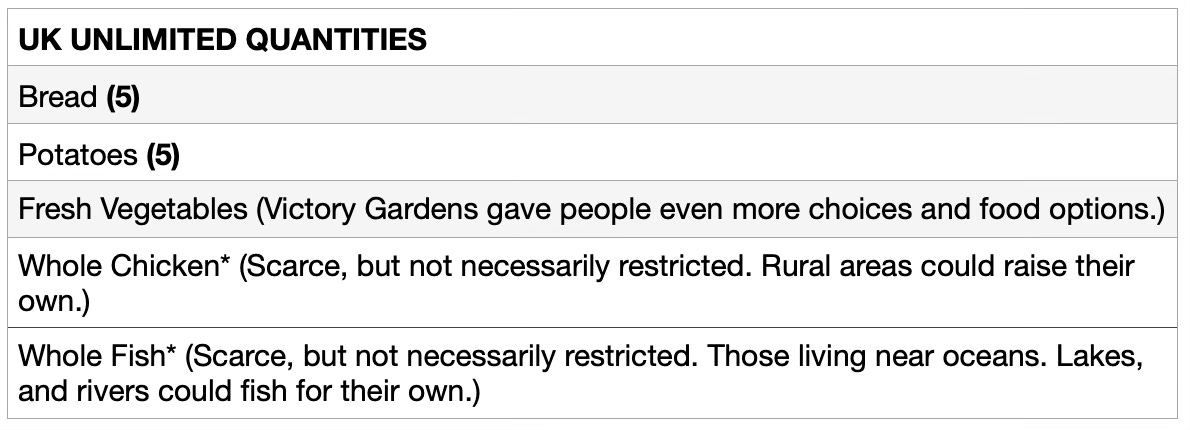

THE RATION DIET CHALLENGE: Follow the diet for at least one week. Utilize any stores you have to supplement the week’s meals. Be realistic. You will save money; you will eat a lot of vegetables; you will miss eating all that protein.
Very few people started rationing with completely empty cupboards. At least that’s the theory I’m working off of. The UK Government started the ration program on Monday, January 8th, 1940, having warned the public by distributing the ration books in December of ‘39, hoping everyone celebrated well during the holidays, and had a rousing, grand knees-up weekend before rationing began in earnest. Generous spirits.
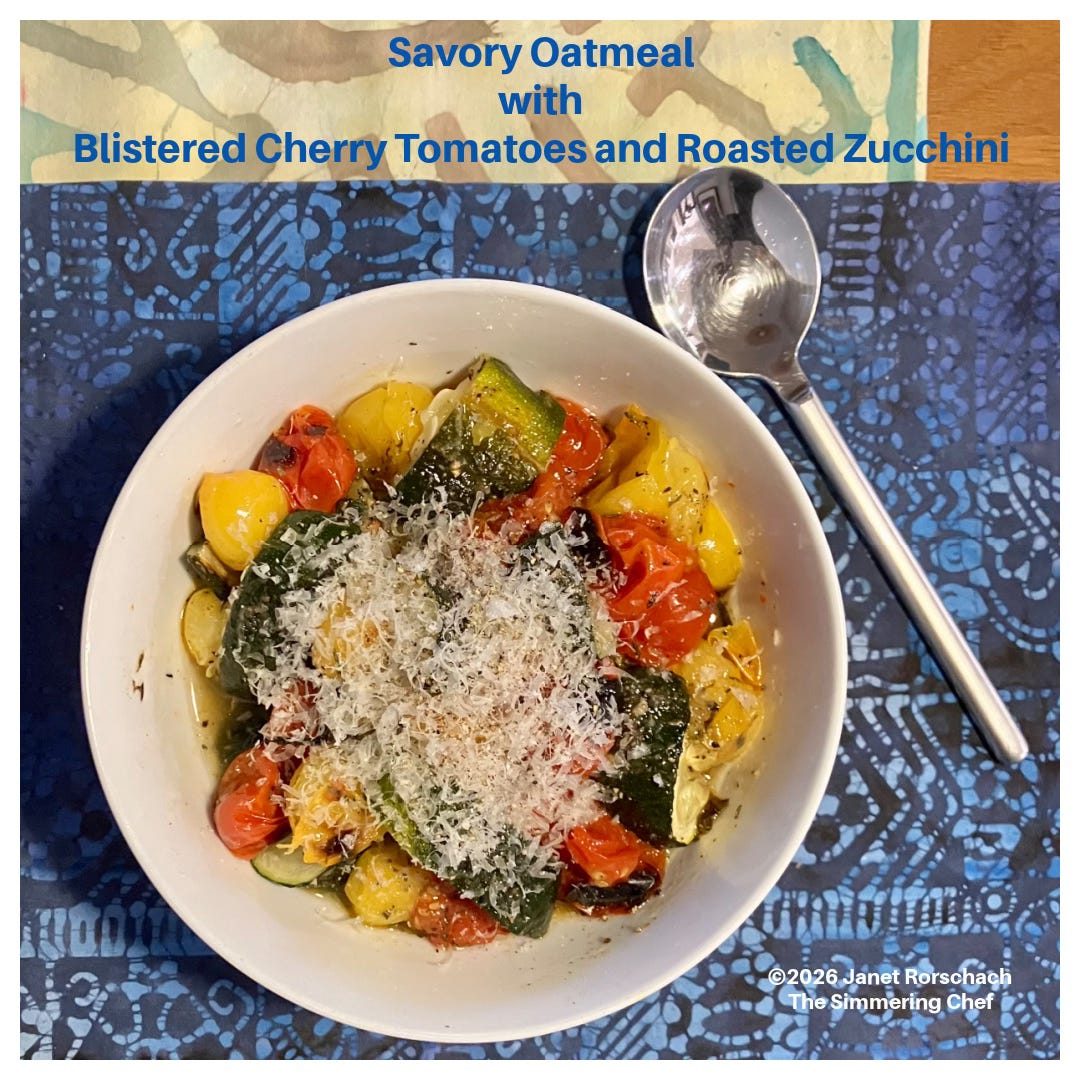
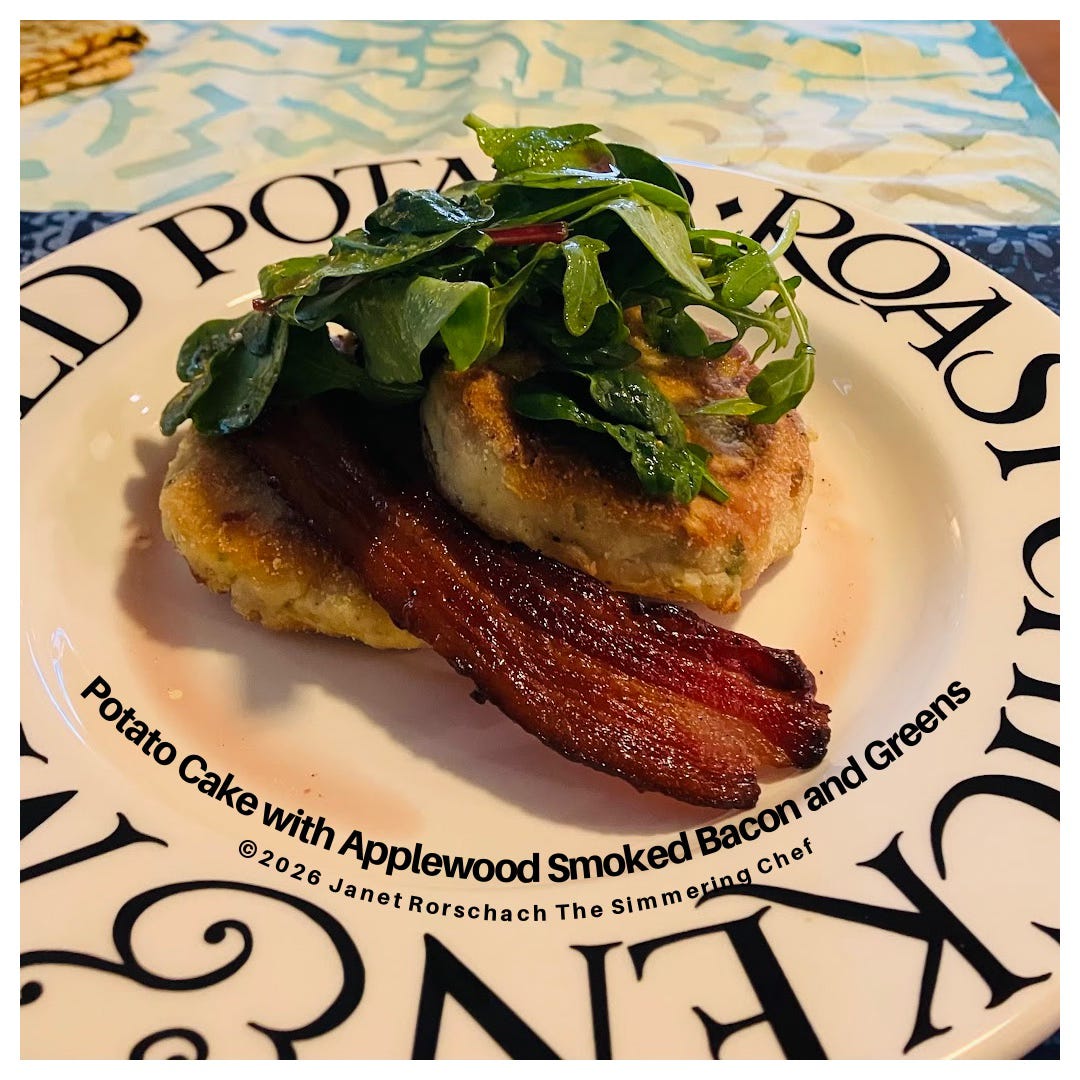
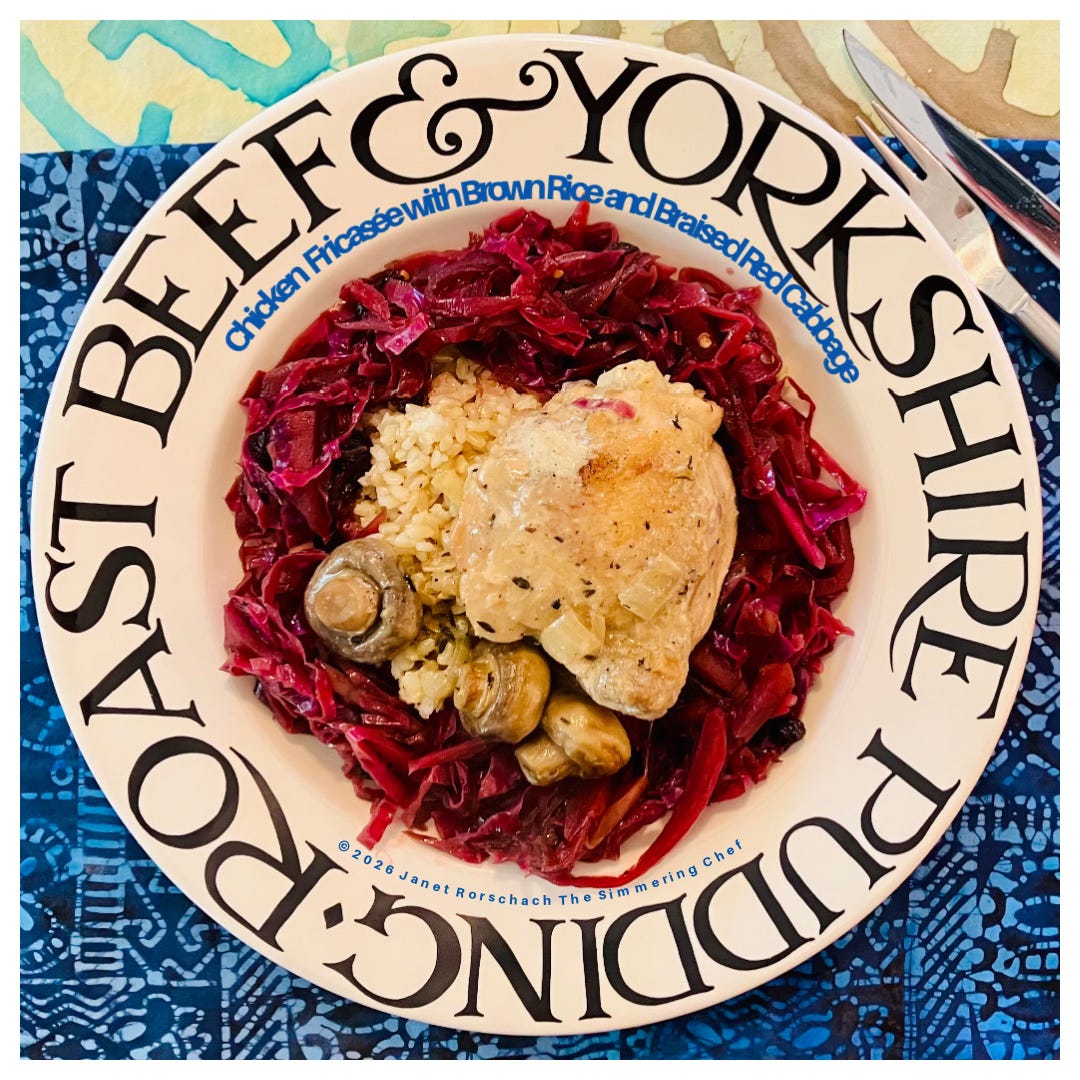
I’ve been following a ration diet for a week now and can say it’s refreshing eating so many vegetables, and that I’ve barely touched the sugar ration. I guess that means I can hoard that item for something special. Saving ingredients up for special occasions was typical in UK households. Everyone needs a cake to help celebrate their special day—especially during the gloom. My weekly allotment of 14 chocolates is still in their jar, untouched, because I’m simply not interested.
One egg a week is hard, and I’ve already cheated. I keep telling myself I’d be living in the country and raising chickens! (6) I’ve also spread some maple butter on my toast with the thought that some Canadian cousin sent it to me in 1939’s Christmas package. Oh, and the grocer is sweet on me and put a handful of almonds in my grocery bag for me to enjoy later. It’s always helpful to be kind. You never know when it might garner you a little something extra.
Since I don’t really do milk, I transformed my ration into yogurt for a snack. The diet lacks fermented foods, so this was a simple way to incorporate some into it. I also added some oranges. They were in my cold storage, anyway, so no worries about lacking Vitamin C yet or cheating on the rationing. If I am going to continue this longterm, making sure I get Vitamin C will have to be part of the program.
So far, the greatest lesson has to do with simply analyzing my relationship with food. I love to eat and my weight shows how much I love to eat. Being a chef means I know how to cook well and along with that is the acknowledged hedonism that’s wrapped up in knowing how to cook well. What’s wrong with an extra splash of cream or using more oil? As my sister reminded me, Fraiser once said, “If less is more, think how much more ‘more’ is.” Words to live by in my line of work, but my waistline has suffered from it. With that in mind, when there isn’t an excess of food, and every ingredient needs to count, then appreciating what’s available becomes really important and I become less wantonly wasteful. If following a Wartime Ration Diet helps me appreciate the food I have, it’s a good start.
Let’s see what the next week brings.
ANNOTATIONS
(1) Pubs remained open during the war because lifting a pint is a great morale booster. By the way, given a choice, I’d rather lift a pint in the UK than in the US because a pint in England is 20 ounces, where a pint in the US is only 16 ounces.
(2) Low levels of Calcium and Vitamin D meant children could quickly develop Rickets. To help with Vitamin C consumption, children were encouraged to spend loads of time in the sun. Clever families sent their children out to pick rose hips. When they returned, the treasured jewels were turned into rose hip syrup. A spoonful supplied approximately 64 mg of Vitamin C a day—children’s recommended dosage is between 15 -75mg/day, depending on age.
(3) Studies conducted in 1942 and 1944 by the Oxford Nutrition Study on child-bearing-aged women showed them deficient in Fe (iron), protein, Vitamin C, and Vitamin A. The Government supplied additional supplements to help improve this group of women’s diets.
(4) The UK Wartime Rationing Diet used a lot of margarine. I simply refused to go down that road. Instead, my oil choices were olive and avocado oil.
(5) After the war ended, food restrictions increased to include bread and potatoes. The UK economy was practically devastated by WW2, and it took time to rebuild. Some of my friends mentioned not eating a piece of chocolate until 1954.
(6) Some people gave up their egg ration for additional chicken feed. Makes sense. No need to give me an egg when I have producers that give me EGGS!
RESOURCES
There are lots of resources concerning the UK Wartime Ration Diet and supplemental food programs. A simple search will bring up reams of information. Here are a few to start you on your way.
VIDEO: I Followed a World War 2 Ration Diet for 8 Days
The Wartime Kitchen’s National Loaf Recipe
British Geriatric Society: Wartime Rationing
Oxford Nutrition Survey on Pregnant Women During Rationing
Scientific American’s article: WII Sugar Rationing Gave Kids a Lifelong Health Boost
(7) The Irish were neutral in WW2. They called it “The Emergency.” The UK government wasn’t interested in them being neutral and restricted their access to food to get them to be more willing to help the Allies rather than be a tool of The Axis Powers. The Irish suffered terribly from starvation and economic devastation during the war. Listen to RTÉ’s Brainstorm Radio Podcast for a better idea about the Irish World War 2 experience: What Ireland Ate and Drank During WW2
GRATITUDE
A big thanks to David, Jill, Jane, Richard, Suzanne, and Mary Carolyn, who shared their knowledge, memories, and guidance. You helped me enormously. Thank you very much!
Sorry I am so late to the party!
How does one increase the vegetables with this diet - do we assume people had gardens or was there lots of produce available?
Didja lose any weight doing this for a week? ;-)
I need to ration myself. If only to empty my supply of beans and stuff in the freezer!
What an interesting read! And I am so impressed that you followed this ration diet - and enjoyed it. I think that points to how it was well thought out!